


Vulvar itching is a common and distressing condition that can significantly impact a woman's quality of life. It can be caused by a variety of factors, including infections, skin conditions, allergies, and hormonal changes. When faced with this uncomfortable symptom, many women seek effective treatment options. One such option that often comes into consideration is Ketoconazole Neomycin. As a supplier of Ketoconazole Neomycin, I'd like to delve into the question: Can I use Ketoconazole Neomycin for vulvar itching?
Understanding Ketoconazole Neomycin
Ketoconazole Neomycin is a combination medication that combines the antifungal properties of ketoconazole with the antibacterial properties of neomycin. Ketoconazole works by inhibiting the synthesis of ergosterol, a key component of the fungal cell membrane, leading to the disruption of the cell membrane and ultimately the death of the fungus. Neomycin, on the other hand, is an aminoglycoside antibiotic that works by binding to the bacterial ribosome, preventing the synthesis of essential proteins and thus killing the bacteria.
This combination makes Ketoconazole Neomycin effective against a wide range of fungal and bacterial infections. It is commonly used to treat skin infections such as athlete's foot, jock itch, and ringworm, as well as certain types of ear infections. But can it be used for vulvar itching?
Causes of Vulvar Itching
Before determining whether Ketoconazole Neomycin is a suitable treatment for vulvar itching, it's important to understand the possible causes of this symptom. Some of the common causes include:
- Fungal Infections: Candida albicans is the most common fungus responsible for vulvar yeast infections. These infections can cause intense itching, burning, and a thick, white discharge.
- Bacterial Infections: Bacterial vaginosis, caused by an imbalance in the vaginal bacteria, can also lead to vulvar itching, along with a fishy odor and a thin, grayish-white discharge.
- Skin Conditions: Eczema, psoriasis, and lichen sclerosus are skin conditions that can affect the vulva and cause itching, redness, and irritation.
- Allergies: Allergic reactions to certain products such as soaps, detergents, feminine hygiene products, or latex condoms can cause vulvar itching.
- Hormonal Changes: Hormonal fluctuations during menopause, pregnancy, or menstruation can also lead to vulvar itching.
Can Ketoconazole Neomycin Treat Vulvar Itching?
Given its antifungal and antibacterial properties, Ketoconazole Neomycin may be effective in treating vulvar itching caused by fungal or bacterial infections. For example, if the itching is due to a vulvar yeast infection, the ketoconazole in the medication can help eliminate the fungus and relieve the symptoms. Similarly, if the itching is caused by a bacterial infection such as bacterial vaginosis, the neomycin can target the bacteria and reduce the inflammation.
However, it's important to note that not all cases of vulvar itching are caused by infections. If the itching is due to a skin condition, allergy, or hormonal change, Ketoconazole Neomycin may not be the appropriate treatment. In fact, using the medication when it's not needed can lead to unnecessary side effects and may even worsen the condition.
Potential Side Effects
Like all medications, Ketoconazole Neomycin can cause side effects. Some of the common side effects include:
- Skin Irritation: The medication may cause redness, itching, burning, or stinging at the application site.
- Allergic Reactions: In rare cases, an allergic reaction to the medication may occur, causing symptoms such as rash, hives, swelling, or difficulty breathing.
- Systemic Side Effects: Although rare, systemic side effects such as liver damage or hearing loss may occur, especially if the medication is used for a long time or in high doses.
It's important to discuss the potential side effects with your healthcare provider before using Ketoconazole Neomycin.
When to Use Ketoconazole Neomycin for Vulvar Itching
If you suspect that your vulvar itching is due to a fungal or bacterial infection, it's important to see your healthcare provider for a proper diagnosis. They may perform a physical examination, take a sample of the discharge for testing, or order other tests to determine the cause of the itching.
If the diagnosis is a fungal or bacterial infection, your healthcare provider may prescribe Ketoconazole Neomycin as part of the treatment. They will provide you with instructions on how to use the medication, including the dosage, frequency, and duration of treatment.
How to Use Ketoconazole Neomycin
If you have been prescribed Ketoconazole Neomycin for vulvar itching, it's important to follow the instructions provided by your healthcare provider. Here are some general guidelines:
- Clean the Area: Before applying the medication, gently clean the vulvar area with mild soap and water and pat it dry.
- Apply the Medication: Using clean hands or a cotton swab, apply a thin layer of the medication to the affected area. Be careful not to get the medication inside the vagina.
- Wash Your Hands: After applying the medication, wash your hands thoroughly to prevent the spread of the infection.
- Follow the Treatment Schedule: Use the medication as directed by your healthcare provider, even if the symptoms improve before the treatment is complete. Stopping the medication too early may allow the infection to return.
Other Treatment Options
In addition to Ketoconazole Neomycin, there are other treatment options available for vulvar itching. These include:
- Antifungal Medications: Over-the-counter antifungal creams, ointments, or suppositories can be used to treat vulvar yeast infections. Prescription antifungal medications may be necessary for more severe or recurrent infections.
- Antibiotics: If the itching is due to a bacterial infection, your healthcare provider may prescribe antibiotics to treat the infection.
- Topical Steroids: For skin conditions such as eczema or psoriasis, topical steroids may be prescribed to reduce inflammation and itching.
- Lifestyle Changes: Making certain lifestyle changes such as wearing loose-fitting, cotton underwear, avoiding scented products, and practicing good hygiene can help prevent and relieve vulvar itching.
The Role of a Supplier
As a supplier of Ketoconazole Neomycin, we understand the importance of providing high-quality medications to meet the needs of our customers. Our products are manufactured in accordance with strict quality control standards to ensure their safety and effectiveness.
We also offer a range of other neomycin-based products, including Betamethasone Neomycin Sulphate, Neomycin Sulphate, and Neomycine Sulfate. These products are used in various medical applications and are available in different formulations to suit the specific needs of our customers.

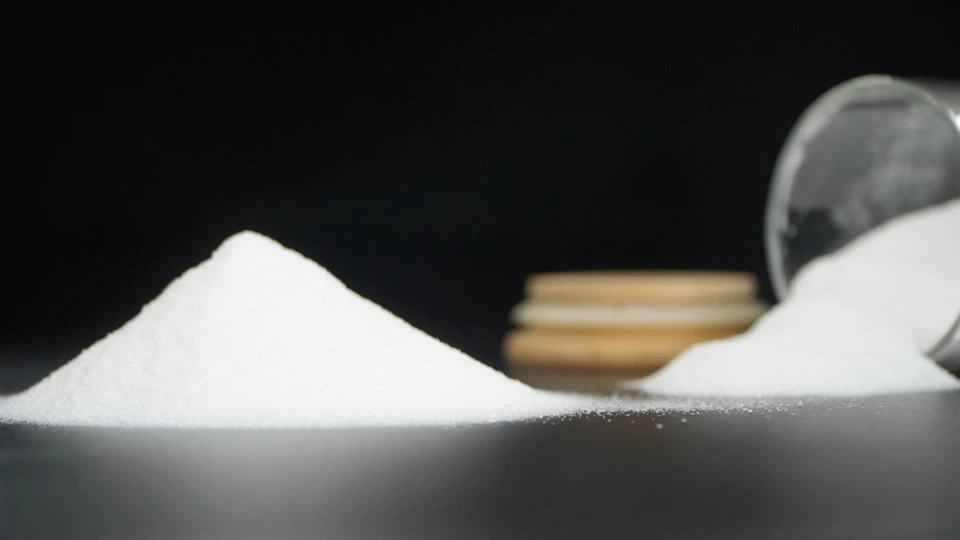
If you are a healthcare provider or a distributor interested in purchasing our products, we invite you to contact us for more information. Our team of experts is available to answer your questions and assist you with your procurement needs.
Conclusion
In conclusion, Ketoconazole Neomycin may be an effective treatment option for vulvar itching caused by fungal or bacterial infections. However, it's important to consult with a healthcare provider before using the medication to ensure that it is the appropriate treatment for your condition. There are also other treatment options available, and making certain lifestyle changes can help prevent and relieve vulvar itching.
As a supplier of Ketoconazole Neomycin and other neomycin-based products, we are committed to providing high-quality medications and excellent customer service. If you have any questions or would like to discuss your procurement needs, please don't hesitate to contact us. We look forward to working with you.
References
- American College of Obstetricians and Gynecologists. (2021). Vulvar Skin Conditions. Retrieved from https://www.acog.org/womens-health/faqs/vulvar-skin-conditions
- Centers for Disease Control and Prevention. (2021). Bacterial Vaginosis. Retrieved from https://www.cdc.gov/std/bv/stdfact-bacterial-vaginosis.htm
- National Institute of Diabetes and Digestive and Kidney Diseases. (2021). Yeast Infections. Retrieved from https://www.niddk.nih.gov/health-information/urologic-diseases/vaginal-yeast-infections


