


Can neomycin be used for dental infections? That's a question I've been getting a lot lately, and as a neomycin supplier, I'm more than happy to dive into this topic.
First off, let's talk a bit about neomycin itself. Neomycin is an antibiotic that belongs to the aminoglycoside class. It's pretty effective against a wide range of bacteria. You can find it in different forms, like Neomycine Sulfate, which is a common type.
Now, when it comes to dental infections, the situation gets a bit more complex. Dental infections can be caused by various types of bacteria, and the mouth is a unique environment. There are so many different kinds of bacteria living in our mouths all the time, and when an infection occurs, it can be a mix of these normal oral bacteria going rogue.
Neomycin works by interfering with the bacteria's ability to make proteins. Without these proteins, the bacteria can't function properly and eventually die off. Sounds great, right? But the effectiveness of neomycin in dental infections depends on a few factors.
One of the main factors is the type of bacteria causing the infection. Some bacteria are more sensitive to neomycin than others. For example, certain gram - negative bacteria are often quite susceptible to neomycin. However, there are also bacteria in the mouth that have developed resistance to neomycin. This resistance can occur when bacteria are exposed to antibiotics over time, and they evolve ways to protect themselves.
Another factor is how neomycin is delivered in the oral cavity. In a dental setting, we need to ensure that the neomycin reaches the site of infection in high enough concentrations to be effective. If it's not properly delivered, the bacteria may not be exposed to enough of the antibiotic to be killed.

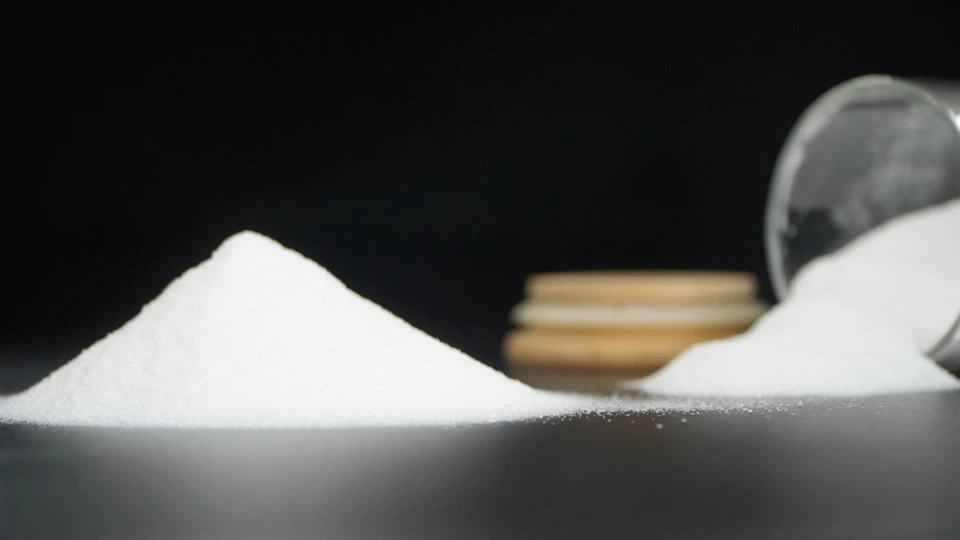
There are some products out there that combine neomycin with other substances. For instance, Neomycin Sulphate with Corticosteroid. The corticosteroid can help reduce inflammation, which is often a big part of dental infections. Inflammation can cause pain, swelling, and damage to the surrounding tissues. By reducing inflammation, the combination product can potentially provide more relief to the patient.
We also have Kegunaan Salep Bioplacenton Placenta Extract Neomycin Sulphate. This kind of product might have additional benefits. The placenta extract could have properties that promote tissue repair, while the neomycin takes care of the bacterial infection.
But it's not all rosy. Using neomycin in dental infections also has some risks. One of the major risks is the potential for allergic reactions. Some people may be allergic to neomycin, and an allergic reaction can range from mild skin rashes to more severe anaphylactic reactions, which can be life - threatening. So, before using neomycin in a dental treatment, it's crucial to ask the patient about any known allergies.
Another risk is the disruption of the normal oral microbiota. Our mouths have a delicate balance of good and bad bacteria. When we use antibiotics like neomycin, we may kill off some of the beneficial bacteria along with the harmful ones. This can lead to an overgrowth of other types of bacteria or fungi, which can cause new problems.
In some cases, neomycin may be used as a part of a comprehensive dental treatment plan. For example, if a patient has a severe dental abscess, the dentist may prescribe neomycin in combination with other antibiotics and perform a surgical drainage of the abscess. This multi - pronged approach can increase the chances of successfully treating the infection.
So, can neomycin be used for dental infections? The answer is yes, but with caution. It can be an effective tool in the fight against certain dental infections, especially when used correctly and in the right situations. However, it's not a one - size - fits - all solution. Dentists need to carefully consider the patient's medical history, the type of bacteria causing the infection, and the potential risks before deciding to use neomycin.
If you're in the dental industry and are interested in learning more about neomycin for dental applications or are looking to purchase neomycin products, I'd love to have a chat with you. We can discuss your specific needs and how our neomycin products can fit into your treatment protocols.
References
- Goodman & Gilman's The Pharmacological Basis of Therapeutics
- Dental Microbiology textbooks
- Journal articles on antibiotic use in dentistry


