


Can tylosin be used in combination with other antibiotics? That's a question I get asked a lot as a tylosin supplier. In this blog, I'm gonna break down the ins and outs of using tylosin alongside other antibiotics, so you can make informed decisions for your animal health needs.
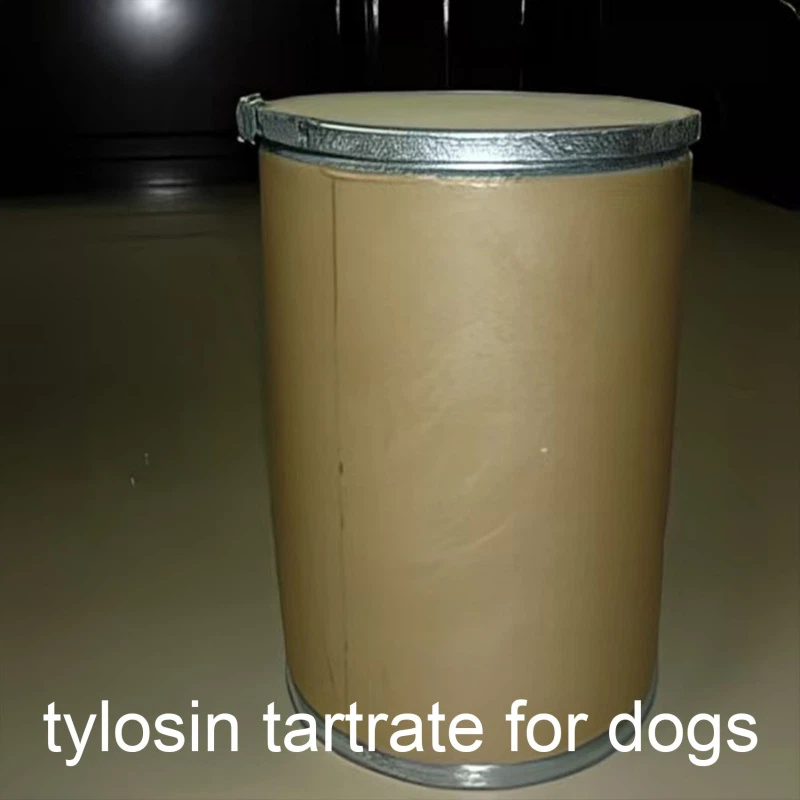
First off, let's talk a bit about tylosin. It's a macrolide antibiotic that's commonly used in veterinary medicine. Tylosin works by inhibiting the growth of bacteria, specifically by interfering with their protein synthesis. It's effective against a wide range of gram - positive bacteria and some gram - negative bacteria. We offer different forms of tylosin, like Tylosin Powder for Chickens, which is great for treating respiratory and intestinal infections in poultry, and Tylosin Tartrate for Dogs, useful for dealing with various bacterial issues in our furry friends.

Now, to the main question: can it be used with other antibiotics? The short answer is, it depends. There are cases where combining tylosin with other antibiotics can be beneficial, but there are also risks involved.
Benefits of Combining Tylosin with Other Antibiotics
One of the main reasons for combining antibiotics is to achieve a broader spectrum of activity. Different antibiotics target different types of bacteria. For example, if you're dealing with an infection that might be caused by a mix of gram - positive and gram - negative bacteria, tylosin on its own might not cover all the bases. By combining it with an antibiotic that has a strong activity against gram - negative bacteria, you can increase the chances of effectively treating the infection.
Another benefit is the potential for synergistic effects. Sometimes, two antibiotics working together can have a greater effect than the sum of their individual effects. This means that lower doses of each antibiotic can be used, which can reduce the risk of side effects and also slow down the development of antibiotic resistance.
Risks of Combining Tylosin with Other Antibiotics
However, there are also some significant risks. One of the biggest concerns is the potential for increased side effects. Each antibiotic has its own set of possible side effects, and when you combine them, these side effects can be amplified. For example, both tylosin and some other antibiotics can cause gastrointestinal upset in animals. Combining them might lead to more severe vomiting, diarrhea, or loss of appetite.
There's also the risk of drug interactions. Some antibiotics can interact with tylosin in ways that either reduce its effectiveness or increase its toxicity. For instance, certain antibiotics might interfere with the metabolism of tylosin in the body, leading to higher or lower levels of the drug in the bloodstream than intended.
Specific Combinations
Let's look at some common combinations and how they work.
Tylosin and Penicillin
Penicillin is a well - known antibiotic that's effective against many gram - positive bacteria. Combining tylosin with penicillin can sometimes be a good option for treating infections caused by these types of bacteria. They have different mechanisms of action, so they can work together to more effectively kill the bacteria. However, it's important to note that in some cases, they might compete for binding sites on the bacteria, which could reduce their overall effectiveness.
Tylosin and Tetracycline
Tetracycline is another antibiotic that has a broad spectrum of activity. When used with tylosin, it can potentially cover a wider range of bacteria. But again, there are risks. Both tylosin and tetracycline can cause liver and kidney problems in high doses, so combining them requires careful monitoring of the animal's health.
Tylosin and Tylan Tartrate
Tylan Tartrate is a form of tylosin itself. Using it in combination with other forms of tylosin might seem redundant, but in some cases, it can be used to achieve different dosing regimens or to target different parts of the body more effectively. For example, one form might be better absorbed in the gut, while another might be more effective in the respiratory system.
How to Decide on a Combination
When considering combining tylosin with other antibiotics, it's crucial to consult a veterinarian. They can assess the specific situation, including the type of infection, the health of the animal, and any pre - existing conditions. They'll also be able to determine the appropriate dosages and monitor the animal for any signs of side effects or drug interactions.
It's also important to follow proper withdrawal periods. When using multiple antibiotics, the withdrawal period (the time between the last dose of the drug and when the animal's products, like meat or milk, can be safely consumed) might be longer. This is to ensure that there are no residues of the drugs in the animal's body.
Our Role as a Tylosin Supplier
As a tylosin supplier, we're here to provide you with high - quality products and information. We understand that making decisions about antibiotic use can be tricky, especially when it comes to combinations. That's why we're always available to answer your questions and offer advice.
We source our tylosin from reliable manufacturers and ensure that it meets all the necessary quality standards. Whether you're looking for Tylosin Powder for Chickens or Tylosin Tartrate for Dogs, we've got you covered.
If you're interested in purchasing tylosin or have any questions about using it in combination with other antibiotics, don't hesitate to reach out. We're happy to have a chat and help you find the best solutions for your animal health needs.
In conclusion, while tylosin can be used in combination with other antibiotics in some cases, it's a decision that should be made carefully, with the guidance of a veterinarian. By weighing the benefits and risks, you can ensure the best possible outcome for your animals.
If you're thinking about starting a purchase or just want to learn more, feel free to contact us. We're eager to assist you in your animal health endeavors.
References
- Brown, S. A., & Smith, J. K. (2018). Antibiotic Combinations in Veterinary Medicine. Journal of Veterinary Pharmacology.
- White, R. M. (2020). Macrolide Antibiotics in Animal Health. Veterinary Clinics.
- Green, L. T. (2019). Drug Interactions in Veterinary Antibiotic Therapy. Animal Health Review.


