


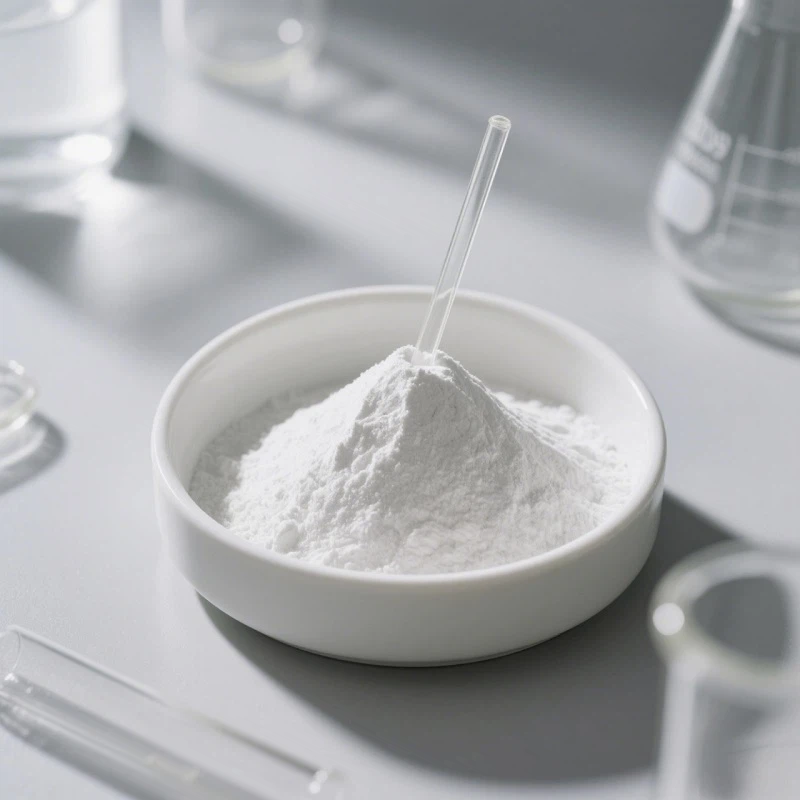
Tylan Soluble Powder, a well - known veterinary product, has been widely used in the field of animal health. As a supplier of Tylan Soluble Powder, I have witnessed its application in various animal species and have been constantly exploring its impact on the animal body, especially on the gut flora.
The Composition and Function of Tylan Soluble Powder
Tylan Soluble Powder mainly contains tylosin or related derivatives such as tylvalosin tartrate. Tylosin is a macrolide antibiotic, which has a broad - spectrum antibacterial effect. It can inhibit the growth and reproduction of a variety of gram - positive bacteria and some gram - negative bacteria by binding to the 50S subunit of the bacterial ribosome and interfering with protein synthesis.
The main function of Tylan Soluble Powder is to treat and prevent respiratory and intestinal infections in animals. In poultry, it can effectively control diseases such as chronic respiratory disease and infectious sinusitis. In pigs, it can be used to treat swine dysentery and other enteric diseases. For dogs and birds, it also plays an important role in maintaining their health. You can learn more about the specific applications in different animals through the following links: Tylvalosin Tartrate for Poultry, Tylvalosin Tartrate for Dogs, Tylvalosin Powder for Birds.
The Importance of Gut Flora in Animals
The gut flora is a complex ecosystem composed of a large number of microorganisms in the animal gut, including bacteria, fungi, viruses, etc. These microorganisms coexist symbiotically with the host and play a crucial role in the animal's health.
Firstly, the gut flora participates in the digestion and absorption of nutrients. For example, some bacteria can break down complex carbohydrates that the host cannot digest on its own, converting them into short - chain fatty acids, which can provide energy for the host and promote the development and function of the intestinal mucosa.
Secondly, the gut flora is involved in the regulation of the immune system. It can stimulate the development and maturation of the immune organs and cells in the gut, enhance the body's resistance to pathogens, and prevent the invasion of harmful bacteria.
In addition, the gut flora also affects the animal's behavior, metabolism, and even the development of some diseases. Therefore, maintaining the balance and stability of the gut flora is of great significance for the overall health of animals.

How Tylan Soluble Powder Affects the Gut Flora
1. Short - term Effects
When animals are administered Tylan Soluble Powder, it will quickly act on the bacteria in the gut. Since it is an antibiotic, it will inevitably have an impact on the normal gut flora. In the short term, Tylan Soluble Powder can significantly reduce the number of sensitive bacteria in the gut. For example, gram - positive bacteria, which are more sensitive to tylosin, may be rapidly inhibited or killed. This can lead to a decrease in the diversity of the gut flora.
Some beneficial bacteria in the gut, such as lactobacilli, may also be affected to some extent. Lactobacilli are important members of the gut flora, which can produce lactic acid, maintain the acidic environment of the gut, and inhibit the growth of harmful bacteria. A decrease in the number of lactobacilli may disrupt the normal acid - base balance in the gut and reduce the body's resistance to pathogens.
However, in the case of an existing bacterial infection in the gut, Tylan Soluble Powder can also play a positive role. By killing the pathogenic bacteria, it can relieve the symptoms of infection, reduce inflammation in the gut, and create a better environment for the recovery of the gut.
2. Long - term Effects
Long - term use of Tylan Soluble Powder may have more complex effects on the gut flora. Prolonged exposure to antibiotics can lead to the selection and emergence of antibiotic - resistant bacteria in the gut. These resistant bacteria can gradually become the dominant species in the gut, further disrupting the balance of the gut flora.
The continuous suppression of the normal gut flora by Tylan Soluble Powder may also lead to a series of secondary problems. For example, it may affect the normal function of the gut microbiota, resulting in reduced digestion and absorption efficiency, weakened immune function, and an increased risk of other diseases.
On the other hand, if the use of Tylan Soluble Powder is properly controlled, the gut flora may gradually recover after the drug is discontinued. Some studies have shown that with the passage of time, the diversity of the gut flora can gradually return to a certain level, and the balance of the gut ecosystem can be restored.
3. Impact on Different Animal Species
The impact of Tylan Soluble Powder on the gut flora may vary in different animal species. In poultry, the gut flora is relatively simple compared to mammals. Tylan Soluble Powder may have a more obvious impact on the balance of the poultry gut flora, especially on the bacteria in the cecum, which is an important part of the poultry gut microbiota.
In pigs, the gut flora is more complex, and the response to Tylan Soluble Powder may be more diverse. Pigs have a longer digestive tract and a more complex microbial community. The impact of the drug on the gut flora may be affected by factors such as the pig's age, diet, and living environment.
For dogs and birds, the specific impact also depends on their unique physiological characteristics and gut microbial structures. Different animals may have different sensitivities to Tylan Soluble Powder, which also affects the changes in their gut flora.
Strategies to Minimize the Negative Impact on Gut Flora
As a supplier of Tylan Soluble Powder, we are committed to promoting the rational use of the product to minimize its negative impact on the gut flora.
1. Appropriate Dosage and Duration
It is very important to use Tylan Soluble Powder at the appropriate dosage and for the appropriate duration. Veterinarians should accurately diagnose the animal's condition and determine the most suitable treatment plan according to the type, age, and weight of the animal. Avoid over - use or long - term use of the drug, which can reduce the unnecessary damage to the gut flora.
2. Combination with Probiotics
Combining the use of Tylan Soluble Powder with probiotics can be an effective strategy. Probiotics are live microorganisms that can colonize the gut and help restore the balance of the gut flora. During or after the use of Tylan Soluble Powder, administering probiotics can promote the growth of beneficial bacteria in the gut, increase the diversity of the gut flora, and enhance the body's resistance.
3. Dietary Adjustment
Adjusting the animal's diet can also help maintain the balance of the gut flora. For example, adding prebiotics to the diet can provide nutrients for the growth of beneficial bacteria in the gut. Prebiotics are non - digestible substances that can selectively stimulate the growth and activity of beneficial bacteria, thereby promoting the recovery of the gut flora.
Conclusion
Tylan Soluble Powder is a valuable veterinary product that can effectively treat and prevent many bacterial infections in animals. However, as an antibiotic, it will have a certain impact on the gut flora of animals. Understanding how it affects the gut flora is crucial for its rational use.
We, as a Tylan Soluble Powder supplier, not only focus on providing high - quality products but also strive to promote the scientific use of the product. By understanding the interaction between Tylan Soluble Powder and the gut flora, we can help farmers and pet owners better manage the health of animals.
If you are interested in our Tylan Soluble Powder or have any questions about its use and impact on the gut flora, please feel free to contact us for procurement and in - depth discussions. We are always ready to provide you with professional advice and high - quality products.
References
- Tannock, G. W. (2008). Indigenous gastrointestinal microflora. Current issues in intestinal microbiology, 9(1), 2-13.
- Allen, H. K., Donato, J. J., Wang, H. H., Cloud - Hansen, K. A., Davis, M. A., & Handelsman, J. (2010). A functional screen of the human gut microbiome reveals a common family of antibiotic resistance genes. PLoS pathogens, 6(11), e1001176.
- Guarner, F., & Malagelada, J. R. (2003). Gut flora in health and disease. The Lancet, 361(9356), 512-519.


