


As a supplier of Tylvalosin Powder, I've witnessed firsthand the growing interest in this antibiotic and how it stacks up against others in the market. In this blog, I'll delve into a detailed comparison of Tylvalosin Powder with other antibiotics, exploring its unique features, advantages, and limitations.
Mechanism of Action
Tylvalosin is a macrolide antibiotic, which means it exerts its antibacterial effects by binding to the 50S subunit of the bacterial ribosome, inhibiting protein synthesis. This mechanism is similar to other macrolides like erythromycin and tylosin. However, Tylvalosin has a more potent binding affinity to the ribosome, resulting in better antibacterial activity against a broader spectrum of bacteria.
Compared to beta - lactam antibiotics such as penicillin and cephalosporins, which work by interfering with bacterial cell wall synthesis, Tylvalosin acts on a different target. This makes it a valuable option when bacteria have developed resistance to beta - lactam antibiotics. For example, in cases of Gram - positive bacterial infections where penicillin - resistant strains are prevalent, Tylvalosin can offer an effective alternative.
Spectrum of Activity
Tylvalosin has a wide spectrum of activity, primarily against Gram - positive bacteria such as Staphylococcus spp., Streptococcus spp., and Mycoplasma spp. It is particularly effective against Mycoplasma, which is a common pathogen in poultry and swine. Many other antibiotics may not be as effective against Mycoplasma due to its unique cell membrane structure that lacks a cell wall.
In contrast, aminoglycoside antibiotics like gentamicin are more effective against Gram - negative bacteria. They work by binding to the 30S subunit of the bacterial ribosome. While they have excellent activity against certain Gram - negative pathogens, their efficacy against Gram - positive bacteria and Mycoplasma is limited.
Pharmacokinetics
One of the key advantages of Tylvalosin is its favorable pharmacokinetic properties. It is rapidly absorbed after oral administration, reaching high concentrations in the target tissues. This is important for effective treatment as it ensures that the antibiotic can reach the site of infection in sufficient amounts.

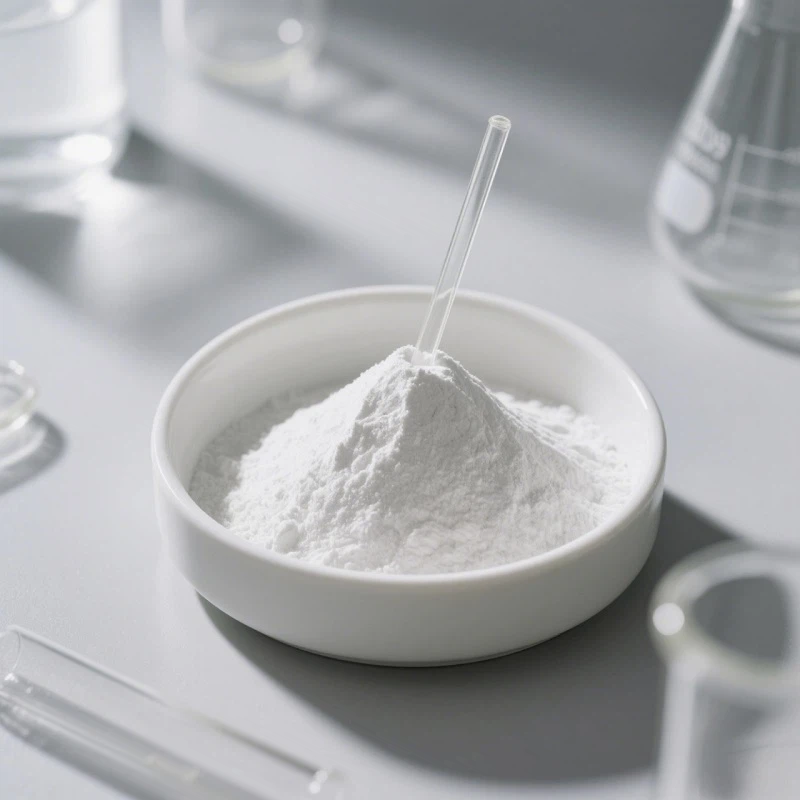
Compared to some older antibiotics, Tylvalosin has a longer half - life, which means it can remain in the body for a longer period, providing sustained antibacterial activity. This allows for less frequent dosing, which is more convenient for farmers and pet owners. For example, compared to tetracycline antibiotics, which have a relatively short half - life and require multiple daily doses, Tylvalosin can be administered less frequently, reducing the stress on animals and the workload for caregivers.
Safety and Tolerance
Tylvalosin is generally well - tolerated by animals. It has a low toxicity profile, and side effects are relatively rare. This is in contrast to some antibiotics like chloramphenicol, which has been associated with serious side effects such as bone marrow suppression in humans and animals.
In addition, Tylvalosin has a wide therapeutic index, which means there is a large margin between the effective dose and the toxic dose. This makes it a safer option for use in veterinary medicine, especially when treating young or immunocompromised animals.
Resistance Development
The development of antibiotic resistance is a major concern in both human and veterinary medicine. Tylvalosin has shown a relatively low propensity for resistance development compared to some other antibiotics. This is likely due to its unique mechanism of action and the fact that it has been used more selectively in veterinary medicine.
In contrast, fluoroquinolone antibiotics have been widely used in both human and veterinary medicine, leading to the emergence of resistant strains. The overuse of fluoroquinolones has contributed to the spread of resistant bacteria, making them less effective in treating infections.
Applications in Different Animal Species
Poultry
In the poultry industry, Tylvalosin is widely used for the prevention and treatment of respiratory and enteric diseases caused by Mycoplasma and other bacteria. It can improve the growth performance and feed conversion ratio of chickens and turkeys. For example, in broiler chickens, Tylvalosin can reduce the incidence of respiratory diseases, resulting in lower mortality rates and better overall flock health.
Other antibiotics used in poultry, such as sulfonamides, may have some efficacy against certain bacteria but are not as effective against Mycoplasma. Moreover, sulfonamides have been associated with residues in poultry products, which can be a concern for food safety.
Swine
In swine production, Tylvalosin is used to control respiratory and enteric infections, especially those caused by Mycoplasma hyopneumoniae. It can help to reduce the severity of pneumonia and improve the growth rate of pigs. Compared to lincomycin, which is also used in swine, Tylvalosin has better activity against Mycoplasma and can provide more comprehensive protection against respiratory diseases.
Dogs
Tylvalosin Tartrate can also be used in dogs for the treatment of certain bacterial infections. Tylvalosin Tartrate for Dogs offers a safe and effective option for veterinarians. It can be used to treat skin infections, respiratory infections, and urinary tract infections caused by susceptible bacteria. Compared to some antibiotics commonly used in dogs, such as amoxicillin - clavulanate, Tylvalosin may be more effective against certain resistant strains.
Product Forms
We offer Generic Tylvalosin Tartrate Soluble Powder and Tylvalosin Tartrate, which are convenient for administration. The soluble powder can be easily mixed with drinking water, ensuring uniform dosing for animals. This is especially important in large - scale livestock production, where it is necessary to administer antibiotics to a large number of animals simultaneously.
Conclusion
In conclusion, Tylvalosin Powder offers several advantages over other antibiotics in terms of its mechanism of action, spectrum of activity, pharmacokinetics, safety, and resistance development. It is a valuable tool in veterinary medicine, especially for the treatment of infections caused by Mycoplasma and Gram - positive bacteria.
If you are interested in purchasing Tylvalosin Powder for your animal production or veterinary practice, please feel free to contact us for more information and to discuss your specific needs. We are committed to providing high - quality products and excellent customer service.
References
- Chantziaras, K., & Papasouliotis, K. (2018). Antibiotic use and resistance in animals. Veterinary Journal, 233, 10 - 15.
- Swayne, D. E., Glisson, J. R., Jackwood, D. J., Pearson, J. E., & Saif, Y. M. (Eds.). (2013). Diseases of poultry. John Wiley & Sons.
- Thacker, E. L. (2013). Swine medicine. Wiley - Blackwell.


