


When it comes to the health and well - being of animals, veterinarians and animal owners often turn to various medications to treat and prevent diseases. Tylosin Powder is one such widely used antibiotic in the veterinary field. As a Tylosin Powder supplier, I have witnessed the benefits it brings to animal health, but also understand the importance of using it with caution, especially when animals have other diseases. In this blog, I will discuss the precautions that should be taken when using Tylosin Powder in animals with other diseases.
Understanding Tylosin Powder
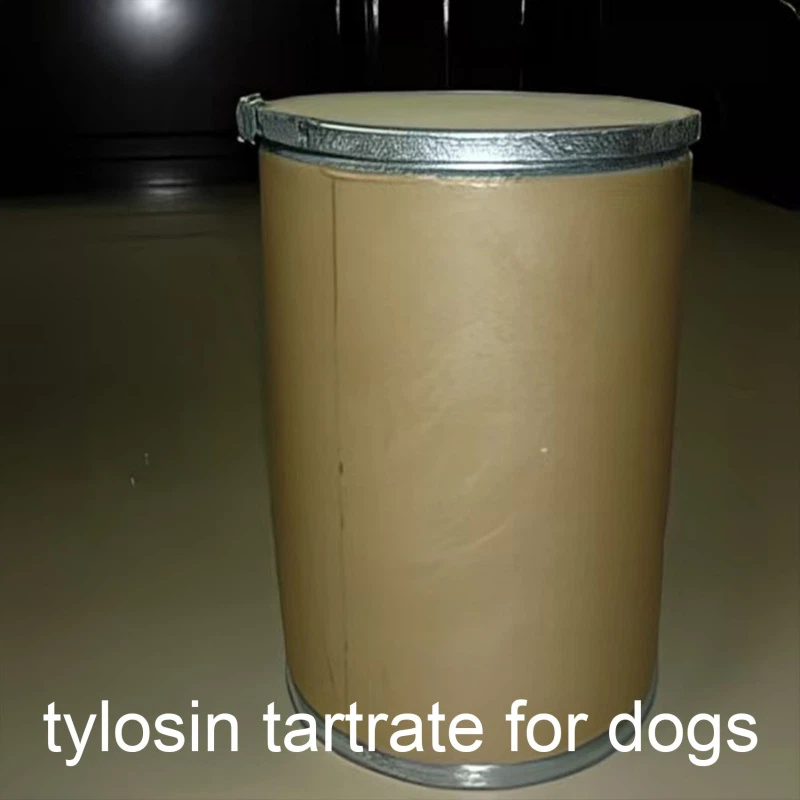
Tylosin is a macrolide antibiotic that is effective against a wide range of gram - positive bacteria and some mycoplasmas. It is commonly used in veterinary medicine to treat respiratory, gastrointestinal, and skin infections in animals such as cattle, pigs, poultry, and dogs. Tylosin Tartrate is a common form of tylosin used in veterinary practice, which has good solubility and bioavailability.
General Precautions
Before using Tylosin Powder in animals, it is essential to have a proper diagnosis. A veterinarian should conduct a thorough examination of the animal to determine the exact nature of the disease and whether tylosin is the appropriate treatment. Self - diagnosis and self - medication can lead to ineffective treatment and may even exacerbate the animal's condition.
It is also important to follow the recommended dosage and administration instructions. Overdosing can lead to adverse effects such as gastrointestinal upset, liver and kidney damage, and even resistance development in bacteria. Underdosing, on the other hand, may not effectively treat the infection, allowing the bacteria to survive and potentially become more resistant.
Precautions for Animals with Other Diseases
1. Animals with Liver or Kidney Diseases
The liver and kidneys play crucial roles in metabolizing and excreting drugs. In animals with pre - existing liver or kidney diseases, the normal function of these organs may be impaired. Tylosin is metabolized in the liver and excreted through the kidneys. Therefore, when using Tylosin Powder in animals with liver or kidney diseases, the dosage may need to be adjusted.
A lower dosage may be required to prevent the accumulation of the drug in the body, which could further damage the already compromised organs. Regular monitoring of liver and kidney function during treatment is also necessary. This can be done through blood tests to check for markers such as liver enzymes and kidney function indicators.
2. Animals with Cardiovascular Diseases
Tylosin may have an impact on the cardiovascular system in some cases. In animals with pre - existing cardiovascular diseases, such as heart failure or arrhythmias, the use of Tylosin Powder should be carefully evaluated. The drug may interact with other medications the animal is taking for its cardiovascular condition.
For example, some medications used to treat heart diseases may affect the metabolism or action of tylosin. A veterinarian should assess the potential risks and benefits of using tylosin in these animals. Close monitoring of the animal's cardiac function, including heart rate, blood pressure, and electrocardiogram, may be required during treatment.
3. Animals with Immune - related Diseases
Animals with immune - related diseases, such as autoimmune disorders or immunodeficiency, have a weakened immune system. Tylosin is an antibiotic that acts against bacteria, but it may also have an impact on the normal flora in the animal's body. Disrupting the normal flora can further compromise the immune system.
In these animals, the use of Tylosin Powder should be balanced with the need to support the immune system. Probiotics may be recommended to help maintain the normal gut flora during treatment. Additionally, the animal's overall health and immune status should be closely monitored to ensure that the treatment does not cause further harm.
4. Animals with Allergic Reactions
Some animals may be allergic to tylosin or other macrolide antibiotics. Before administering Tylosin Powder, it is important to inquire about the animal's history of allergic reactions. If an animal has a known allergy to tylosin or similar drugs, alternative treatments should be considered.
Signs of an allergic reaction may include itching, swelling, difficulty breathing, and hives. If any of these symptoms occur after administering tylosin, the treatment should be stopped immediately, and the animal should be given appropriate emergency treatment, such as anti - histamines or corticosteroids.
Precautions for Different Animal Species
1. Dogs
Dogs are one of the common animal species that may require tylosin treatment. When using Tylosin Powder in dogs with other diseases, special attention should be paid to their diet. Tylosin may cause gastrointestinal upset in dogs, especially if they have a sensitive stomach. Feeding the dog a bland diet during treatment can help reduce the risk of digestive problems.
Also, dogs may be taking other medications for various conditions. It is important to check for potential drug interactions. For example, some medications used to treat arthritis or skin conditions may interact with tylosin. A veterinarian should review the dog's entire medication regimen before starting tylosin treatment.
2. Poultry
In poultry, tylosin is often used to treat respiratory and mycoplasma infections. However, poultry may also be affected by other diseases such as coccidiosis or viral infections. When using Tylosin Powder in poultry with these co - existing diseases, the overall management of the flock is crucial.
Good biosecurity measures should be in place to prevent the spread of diseases. The use of tylosin should be coordinated with other treatments for the co - existing diseases. For example, if a flock is being treated for coccidiosis, the timing and dosage of tylosin should be adjusted to avoid any potential interactions with the coccidiostat.
Resistance Development
One of the major concerns in the use of antibiotics, including Tylosin Powder, is the development of bacterial resistance. When using tylosin in animals with other diseases, it is important to use it in a responsible manner to minimize the risk of resistance.
This includes using the drug only when necessary, following the recommended dosage and treatment duration, and avoiding the use of sub - therapeutic doses. Additionally, proper hygiene and management practices in animal husbandry can help reduce the overall need for antibiotics and prevent the spread of resistant bacteria.

Conclusion
As a Tylosin Powder supplier, I understand the importance of providing high - quality products and ensuring their proper use. When using Tylosin Powder in animals with other diseases, a cautious and informed approach is necessary. Veterinarians play a crucial role in making the right treatment decisions, taking into account the animal's overall health, the nature of the disease, and the potential interactions with other medications.
If you are an animal owner, a veterinarian, or involved in the animal husbandry industry and are interested in purchasing Tylosin Powder, I encourage you to contact me for more information and to discuss your specific needs. We can have a detailed conversation about the product, its appropriate use, and how it can best serve the health of your animals.
References
- "Veterinary Pharmacology and Therapeutics" by Lynn R. Hovda
- "The Merck Veterinary Manual"
- Scientific research articles on the use of tylosin in veterinary medicine


