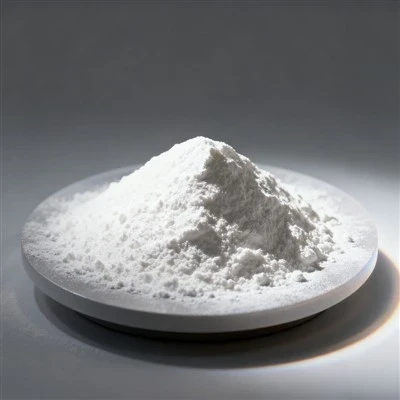
See Streptomycin Sulfate. Pharmacokinetics: Neomycin is poorly absorbed after oral administration, with only approximately 3% absorbed by intact intestinal mucosa. However, a significant amount can be absorbed by ulcerated, exfoliated, or inflamed mucosa. Most of the drug is excreted unchanged in the feces. Neomycin has strong antibacterial activity against Mycobacterium tuberculosis, with a minimum inhibitory concentration generally around 0.5 mg/ml. Most non-tuberculous mycobacteria are resistant to the drug. Neomycin also has antibacterial activity against many Gram-negative bacilli, such as Escherichia coli, Klebsiella, Proteus, Enterobacter, Salmonella, Shigella, Brucella, and Pasteurella. Neisseria meningitidis and Neisseria gonorrhoeae are also susceptible to the drug. Neomycin has poor activity against Staphylococci and other Gram-positive cocci. Various groups of Streptococci, Pseudomonas aeruginosa, and anaerobic bacteria are resistant to the drug. Neomycin primarily binds to the 30S subunit of the bacterial ribosome, inhibiting bacterial protein synthesis. Bacteria are very likely to develop resistance to neomycin after exposure. Combining neomycin with other antibacterial or anti-tuberculosis drugs can reduce or delay the development of resistance. This product is a white or off-white powder.
 English
- English
- Français
- Deutsch
- 日本語
- Italiano
- Español
- Português
- русский
- Svenska
- Indonesia
- suomi
- hrvatski
- bosanski
- فارسی
- România limbi
- O'zbek
- Cymraeg
- Gaeilgenah Éireann
- Eesti
- Català
- Melayu
- slovenčina
- हिंदी
- íslenska
- ไทย
- اردو
- عربي
- עברית
- Български
- Malti
- Čeština
- Türkçe
- Bai Miaowen
- українська
- Việt Nam
- Ελληνικά
- magyar
- Lietuvių
- বাংলা
- Norsk
- Nederlands
- dansk
- slovenščina
- Kreyòl Ayisyen
- Latviešu
- Srbija jezik (latinica)
- 한국어
- Polski